There's Still Time to Increase Your E-Commerce Conversion Rate Before the Holidays
I’ve been in the e-commerce space for almost 10 years, and always loved planning for the holidays. Call me a little crazy, but I live for the busy (sometimes frantic) process of making sure an e-commerce store is fast, clean and highly optimized for retail’s biggest four weeks of the year.
I know we’re all making our lists and checking them twice (or weekly, in the all-hands meeting), but you might still be wondering if your e-commerce store is ready for all that new traffic this year. By September, it’s easy to feel like there are no more levers to pull. You’ve executed a plan, submitted all the project requests, and now it’s time to make sure everything comes together.
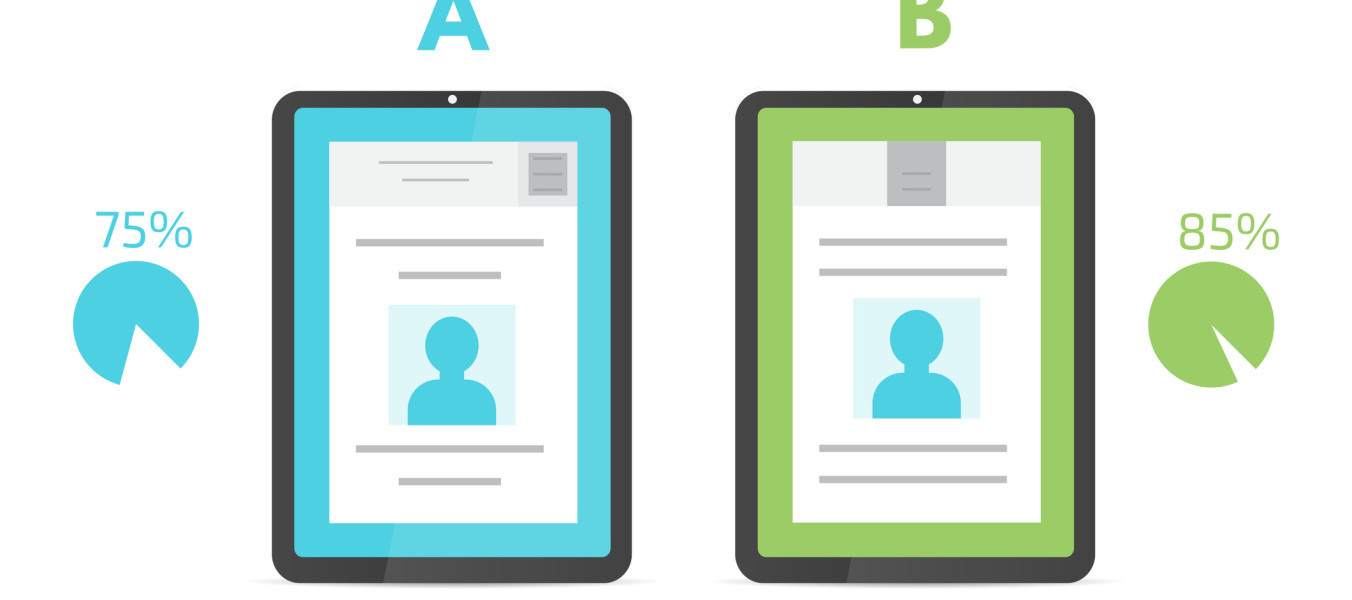
This year, however, I’m going to challenge you to use these next two months to learn about your customer. Specifically, what drives your customer to convert … with A/B testing.
Every E-Commerce Program Should Have an A/B Testing Strategy
If you own or manage part of a revenue-driving e-commerce store, you should have an A/B testing strategy. That doesn’t mean you must have a development team at your disposal. It could look more like a part-time developer who helps you execute small tests that result in big conversion increases. This is important because an A/B testing program allows you to do two things:
- Avoid risky e-commerce implementations: Have you ever had a big idea for your website? It could give you big revenue gains … or the opposite. While testing won’t eliminate the time and effort that goes into optimizing a website, it will tell you (for certain) if your new idea will give you a conversion bump for the holidays.
- Keep your program focused on revenue-driving optimizations: Every team in your organization has ideas. Finance wants checkout page updates. Merchandising wants the trendiest designs featured on the homepage. It’s your job to make sure your resources are focused on only high-impact work. Think of A/B testing as your holiday readiness road map. Throughout the year, it will help you find your way to the highest-converting version of your e-commerce store in preparation for the holidays.
3 Things You Should Test in September and October
- Risky website optimizations that are already on the road map but could hurt your sitewide conversion rate
- Optimization ideas that are easy to build and launch (if you’re starting late, avoid anything that requires a code release)
- Optimization ideas that have strong data to back their hypotheses
What it Takes to Launch 2-3 Tests Before November
Does it feel impossible to add one thing to your list this month? Probably. But if you’re going to add something to your list, it should be A/B testing. Testing will give you answers about those risky optimizations that might hurt your conversion, and you might just find a hidden gem that gives you a conversion bump in November and December.
What do you need to launch two or three tests before the holidays?
- If you don’t already have one, you’ll need a testing tool. A tool like Google Optimize is free to start. However, if you’re open to investing in a tool, VWO allows you to get its tool live quickly and will serve you better in the long term.
- Get key team members on board. Unless you’re truly a jack of all trades, you’ll need a few team members to get things going. Whether they’re full-time associates, part-time contractors or freelancers, you’ll need access to a designer, developer and analyst to execute and find insights from your tests.
- You’ll need someone with A/B testing experience to drive results. Because things need to go live quickly, the easiest way to launch a few tests before the holidays is to pull in an expert who has done this before.
It’s only September, but we all know November will be here before we know it. This year, I challenge you to use these next eight weeks to increase your conversion rate and make sure you break some holiday records!
Great post Sam!