Entrepreneurs on Building More Eco-Conscious Startups
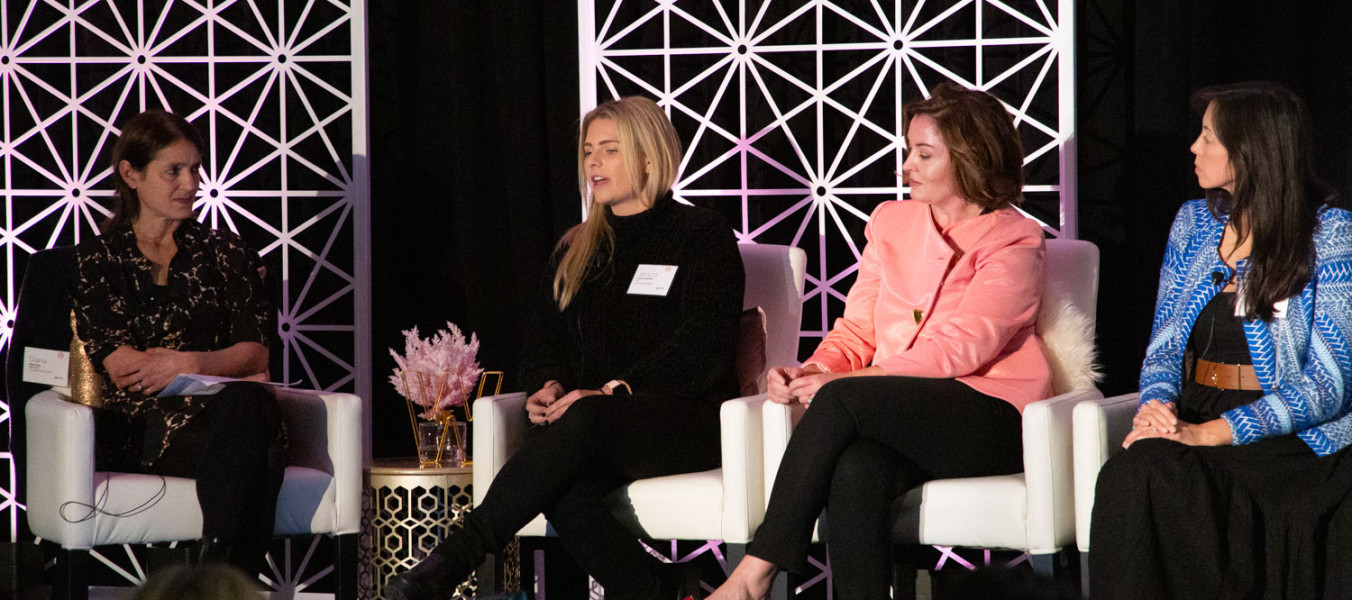
Launching a business is a huge endeavor. Doing it with sustainability as a core value is even better — and trickier. In a panel discussion that took place during the Women in Retail | On the Road San Francisco event earlier this month, three startup founders shared the journey of how they built their businesses while keeping the environment’s needs front and center.
Jessica Hershfield, founder and CEO, Just Enough Wines; Anna Brockway, co-founder and president, Chairish; and Rose Shattuck, founder and CEO, The Foggy Dog, joined moderator Diana Kapp, journalist and author of “Girls Who Green the World,” to discuss how to stop greenwashing, the biggest challenges to running an eco-conscious startup, and what’s on their wish lists to help them run their companies even more sustainably.
Brockway, who runs the vintage resale company Chairish, said people tend to be overwhelmed by an all-or-nothing approach to shopping secondhand — similar to the idea of a diet in which you can never have a slice of pizza or a glass of alcohol ever again.
“The more relevant way to think about it in relationship to [being] green is, when it comes time to buy something, just check if it’s available vintage or pre-owned first before you go ahead and buy new,” Brockway said. “I think what you’ll find is, yes, it is. And it’s often more immediately available. We don’t have a supply chain problem in vintage — it already exists. It’s usually cheaper; it’s often better made; and in the case of home furnishings and I think in many cases clothes, it’s actually cool because it has a lot more style and longevity.”
Hershfield, whose company produces canned, portion-controlled wines, said glass bottles are the largest contributor to the carbon footprint of the wine industry, which is why she opted for aluminum cans that fit a glass-and-a-half of wine. She’s found that as she’s trying to get Just Enough Wines in front of large retailers like Target and Whole Foods, she’s seeing them ask more questions about whether the products are sustainably sourced and produced — and investors are paying attention as well.
Shattuck, whose company manufactures eco-friendly dog beds and other dog products, said part of a business being green is that it has to serve a real purpose.
“Is it getting you more customers? Is it helping with marketing? Is it helping you control costs? For us, it’s all those things,” Shattuck noted.
Shattuck said her company aims for low-waste manufacturing. The Foggy Dog does this in a number of ways, from digitally printing fabric to reduce waste to making smaller products like squeak toys out of the excess dog bed fabric.
“[Being green] has to authentically work for your business,” said Shattuck. “If you’re just doing something to be able to say and virtue signal, ‘We’re doing this to be green,’ people see through that. At the end of the day, the fundamentals of the business have to work.”
Get more tips on how to stop greenwashing and how to start actively making environmental impacts your customers will love, as well as learn how to make sustainability an integral part of your business plan, by watching the full panel recording here. Not a Women in Retail Leadership Circle member? Apply today!