How Consumer Sentiment Figures to Impact Holiday Retail Sales
Forrester Principal Analyst and Vice President Sucharita Kodali said she’s been surprised lately when she gets questions from retailers such as, “How do we address the economic downturn?” when the truth is, the data shows that there’s no such downturn.
“To which I’m like, ‘Your business may be challenged, but overall, the global economy and the U.S. economy is actually doing pretty well and the economic indicators are that the consumer is spending,'” notes Kodali.
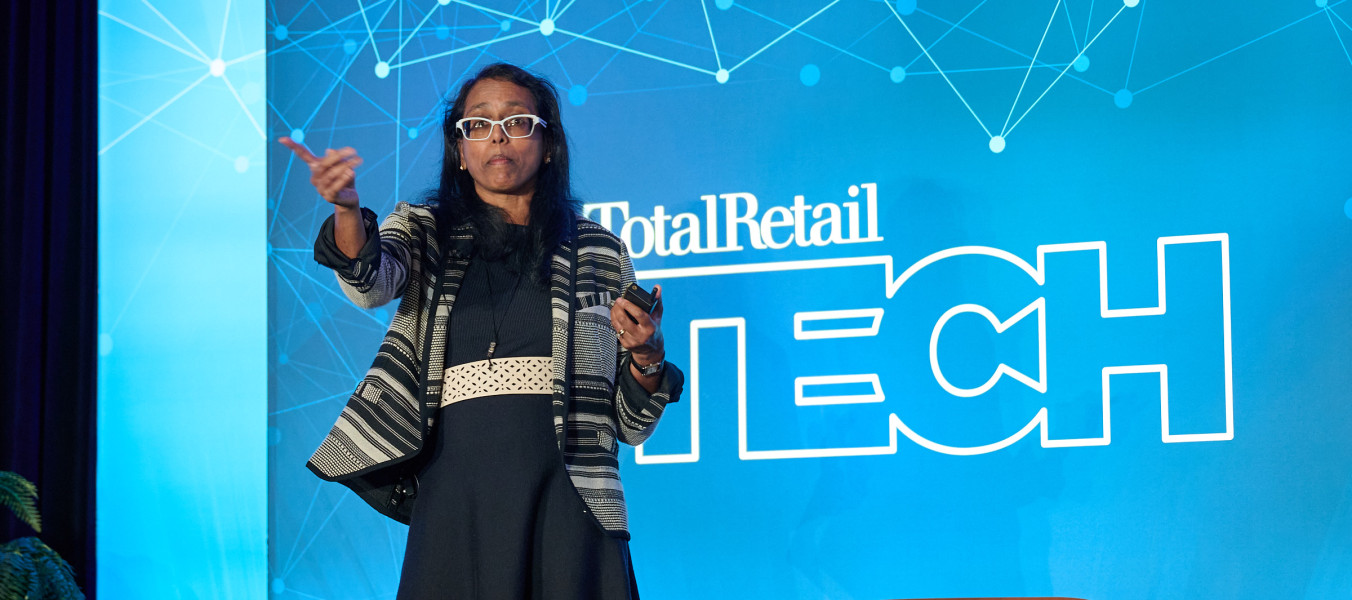
During a wide-reaching keynote session at Total Retail Tech last month, Kodali, who researches e-commerce trends and global, regulatory, and technology issues shaping commerce, shared data showing that post-pandemic, total e-commerce growth in the U.S. is trending upward, with a 10 percent growth expected in online global retail sales in 2025. Additionally, the unemployment numbers around the world are in the single digits (the U.S. unemployment rate was at 4.2 percent in August, according to the Bureau of Labor Statistics) and wages have continued to increase in the U.S. Additionally, retail spend is higher than ever.
The ‘Vibecession,’ or Low Consumer Confidence
All of this positive growth flies in the face of what Kodali hears from retailers as well as what is portrayed in the media. And that is because consumer sentiment is actually what’s down.
Citing consumer confidence data from the University of Michigan, Kodali said there’s only been about three times in the last 50 years where consumer sentiment has been as low as it is now.
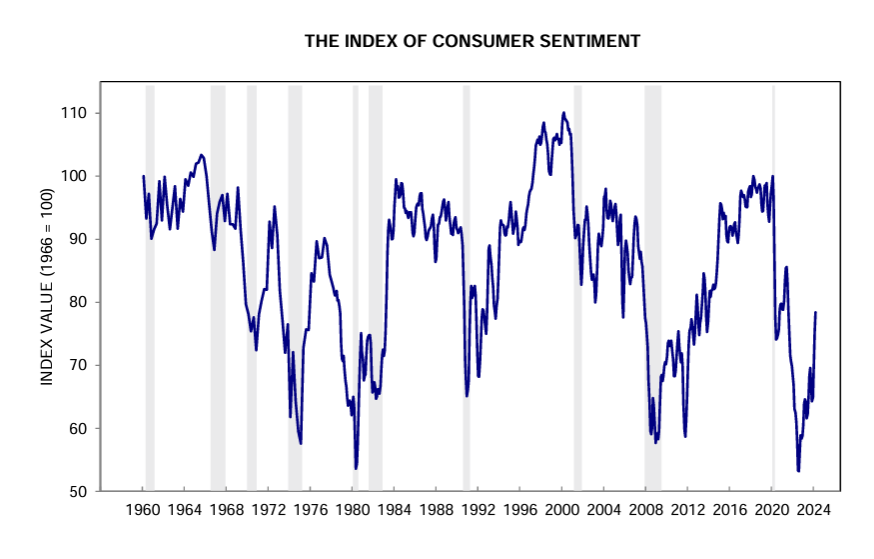 That low consumer sentiment has contributed to the use of a new term to describe what feels like a recession but isn’t: “vibecession.”
“One of the reasons for that is inflation,” Kodali said. While inflation is going down, certain categories like housing and energy are still hurting consumers, particularly low-income consumers. Additionally, years of compounding inflation are still leading to a 20 percent increase in overall prices now vs. prior to the 2008 recession.
“When you as a consumer are going to the store and looking for milk or eggs and you’re seeing that things are way more expensive than you remember purchasing them for in the past, you’re correct,” Kodali told the audience. “That’s something that is leading to this sense that the economy is doing worse than the data would suggest otherwise.”
Additionally, Kodali said any savings the consumer had during the pandemic are “drying up” and will likely be gone by the end of the 2024 holiday season.
What This Means for the Holiday Season
“There is absolutely retailer concern that the ‘vibecession’ is going to impact sales in an adverse way,” Kodali said, citing a CommerceNext Holiday Sentiment survey conducted this summer that showed 80 percent of respondents (99 digital retailers) listed “consumer spending levels down on gifts and holiday products” as their top concern for the 2024 holiday season.
However, in that same survey, 43 percent of respondents said they expected their online holiday sales to be better than the previous year’s.
“This data tells me that it should be OK overall,” Kodali said of the upcoming holiday shopping season. “There are definitely going to be some retailers that won’t do as well … but more should do better than not.”
Kodali’s full keynote, which includes insights on mobile commerce, QR code usage, live online shopping, and more, will be available to watch on womeninretail.com soon.
View Kodali’s presentation slides here: AI, Elections, Inflation and Omnichannel – What Will and Won’t Drive E-Commerce in the Next Year