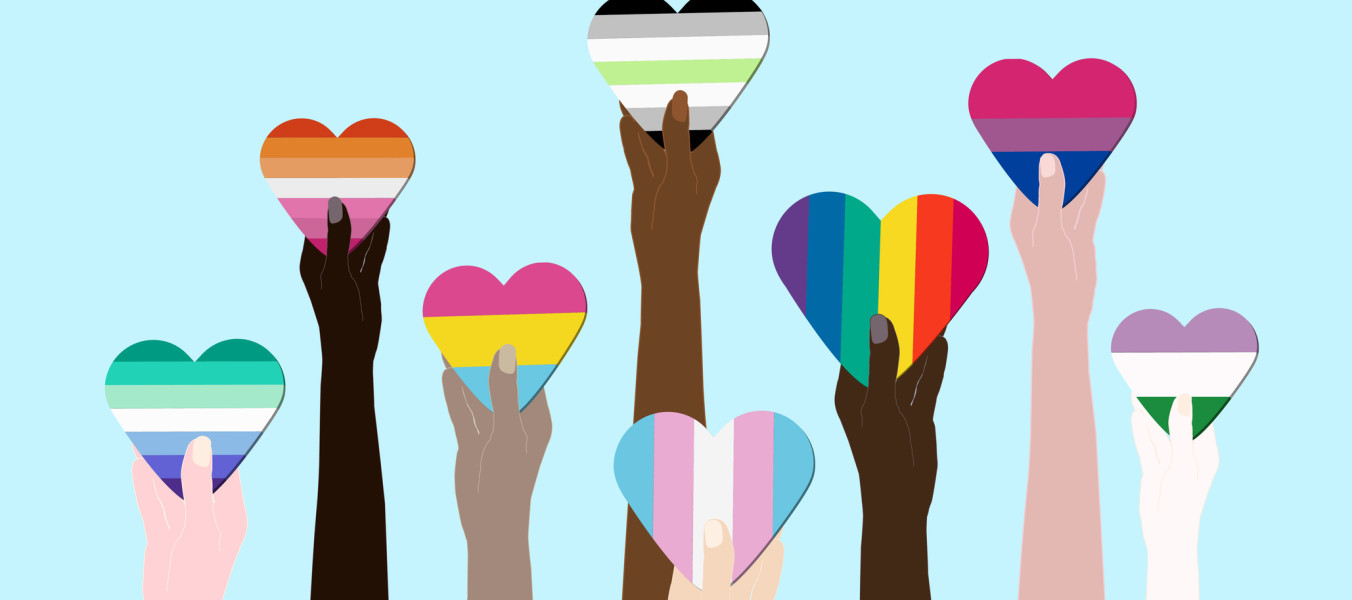
How Brands Can Show Up Meaningfully for Pride
Before exploring the business perspective, let’s start with what Pride represents.
Pride Month is the anniversary of an ongoing movement for safety, dignity, access and equality. It honors the legacy of leaders who took risks, built community, and did what many groups have had to do throughout history: humanize themselves to the world.
Pride is also a celebration of joy, love and creativity made possible by that work. For many people, it’s one of the few spaces where they feel fully welcome, fully connected, and fully themselves.
The meaning of Pride reaches far beyond the LGBTQ+ community. It’s a belief that everyone deserves to show up without fear or shame, participate fully, and be treated with dignity.
The work is not over. LGBTQ+ people continue to navigate discrimination, misinformation, and barriers to safety, support and belonging.
For companies, Pride creates an opportunity to align values, actions and experiences in ways that strengthen trust with employees, customers and communities.
1. Lead with clarity.
Leaders are expected to navigate increasingly complex issues that affect employee safety, customer experience, brand trust, policy, and real-world execution.
Clarity means understanding what the organization stands for in practice, where the risks are, who needs what kind of support, and how decisions will be made when pressure or scrutiny increases.
It also means addressing where stakeholders may be skeptical, concerned or resistant. Backlash isn’t proof that efforts should stop. It’s proof that the work needs better strategy, better language, and more thoughtful ways to build understanding without compromising dignity or safety.
Leaders don’t need to be experts on every nuance of LGBTQ+ communities or the cultural conversations surrounding them. They can leverage strong strategic support from partners who can translate complex issues, pressure-test strategy, and bring the right context into decision-making.
2. Invest in employees.
Employees are carrying more than is visible. It can show up as cognitive load, lower participation, increased vigilance, and friction in how people communicate and collaborate. Those challenges affect trust, retention, performance and culture.
Pride programming is an opportunity to better understand how identity and lived experience shape the way people move through the workplace and the world. Education can create shared language, build confidence, and give employees and leaders a stronger foundation for communication, collaboration and decision-making.
When employees feel safe, seen, supported, and equipped to understand one another, trust grows. That’s what makes Pride part of a larger culture strategy.
3. Understand the LGBTQ+ audience.
One common mistake is treating LGBTQ+ people as a single audience when there are many communities with distinct experiences, cultures, and consumer behaviors.
Queer women are one of the most overlooked consumer segments. According to Gallup, 28.5 percent of Gen Z women identified as LGBTQ+ as of 2023, yet queer women are often absent from Pride initiatives and broader marketing efforts.
The same can be said for bisexual communities, which Gallup reports represent more than half of LGBTQ+ adults and approximately 5 percent of the entire U.S. adult population.
Intersex communities face a similar challenge. Despite being one of the most misunderstood groups within the broader LGBTQ+ umbrella, they’re rarely visible in Pride engagements.
A brand that thoughtfully highlights and empowers overlooked communities would stand out as one that has done its homework and is leading instead of following.
4. Build with community, not for community.
Rather than guessing what communities want, brands can create opportunities to collaborate alongside them. That includes partnering with artists, founders, creators and organizations, and inviting their voices into the decision-making and creative process.
When companies build directly with community partners, the work carries credibility and generates organic engagement. It also creates economic empowerment, which is one of the most important ways a brand can show up.
Relationships built only during Pride are rarely perceived as authentic.
Create year-round opportunities for employees to attend events and volunteer. Sponsor local and grassroots community efforts. Create face-to-face contact. Build relationships that remain active beyond a single month.
So How Do Companies Show Up Meaningfully for Pride?
Less symbolism. Less silence. More strategy. More substance.
- Before deciding how to show up, understand what Pride means to communities.
- Before creating visibility, understand the barriers Pride was built to overcome.
- Before marketing to the LGBTQ+ community, understand that it is not one audience.
- Before trying to make an impact, build real relationships.
Remember the deeper opportunity behind Pride: not only to support one community, but to help build a world where everyone can show up without fear or shame.
Pride is more than a moment. It’s a practice in clear leadership, consistent action, and earned trust.