Ace Hardware's CMO on Competing With Giants While Staying True to Community Roots
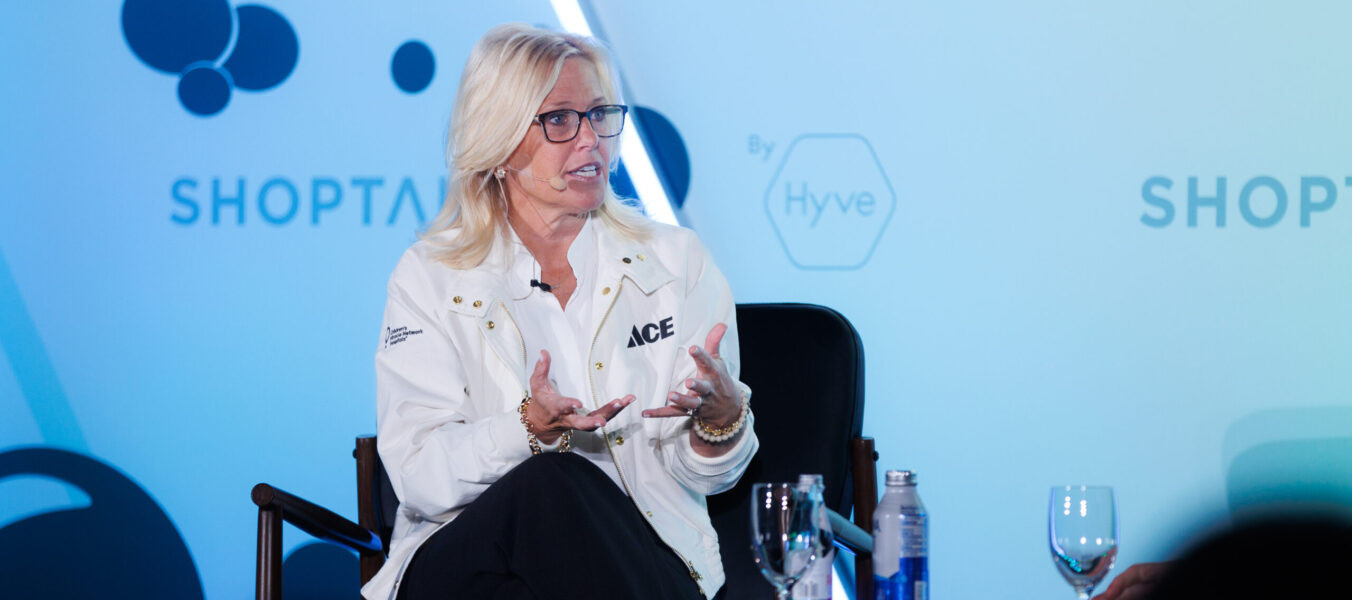
At Shoptalk Fall in Chicago last week, Kim Lefko, chief marketing officer at Ace Hardware, shared how the retailer balances its century-old community ethos with cutting-edge marketing strategies. Interviewed by Joe Laszlo, global head of insights at Shoptalk, Lefko emphasized that Ace’s success comes from honoring its cooperative structure while adapting to fast-changing consumer expectations.
The Cooperative Advantage
Unlike most national retail chains, Ace Hardware is a co-op. Its shareholders are its store owners, which means every new initiative must be rooted in data and mindful of local autonomy.
“Our stores are embedded in their communities,” Lefko explained. “That gives us the ability to tailor products, experiences, and even store layouts in ways that reflect the neighborhoods we serve.”
Knowing What to Be Leaders in
Ace has leaned into category leadership in four areas: paint, BBQ, outdoor power equipment, and home preservation (landscaping/garden). These areas, Lefko noted, are where consumers consistently turn to Ace for expertise and quality products. The strategy has paid off. For example, the retailer has piloted “Elevated Ace” store formats, highlighting grills from leading brands such as Weber, Big Green Egg, and Traeger. Those elevated store formats have outperformed the retailer’s traditional locations, with sales up 12 percent in the four core categories compared to other stores in the same region.
Lefko’s advice to the retail executives in the audience: “If you haven’t done a store update in seven [years] to 10 years, it’s probably time. We refresh about 1,200 stores annually, and every update is an opportunity to make sure customers see us as relevant.”
The 3 Jobs of a Marketer
Ace’s marketing approach is broken down into three core jobs, according to Lefko: capture and drive demand, convert that demand to purchase, and engender loyalty. Each step has a channel fit. For example, TV is still highly relevant for driving demand, paid search is critical for conversion, and Ace’s mobile app is where loyalty is strongest, Lefko told the audience.
Ace’s mobile app has proven especially powerful: revenue from the app is up 36 percent year-over-year, and app users visit and spend 50 percent more than the average customer. TikTok is also emerging as a marketing platform for inspiration and education, though Lefko admitted the challenge: “We need to take a 60-second message and make it resonate in seven seconds.”
Competing Without Outspending
Facing competitors with far deeper pockets (i.e., The Home Depot, Lowe’s), Ace is cognizant of its strengths. “We’re never going to outspend our two biggest competitors,” Lefko acknowledged. “Consistency of message is our weapon. It’s about showing up in the same way across every channel, every time.” Ace has chosen, perhaps forced because of limited resources, to focus less on outshouting and more on outsmarting with clear, consistent brand storytelling.
Red Vest Retail Media Network
While a late mover to retail media, Lefko framed that as an advantage for Ace. The retailer’s RedVest Retail Media Network launched with intentionality, prioritizing value for both vendors and customers. According to Lefko, Ace’s RMN boasts three key advantages:
-
In-Store Proximity: 5,100 family-owned locations where associates deliver personal care.
-
Digital Reach: Ace.com and the mobile app, powered by loyal shoppers.
-
Rewards Base: 73 million Ace Rewards members with an 83 percent retention rate of those members.
“We don’t want to be a NASCAR site,” Lefko said, referring to cluttered digital ad experiences. “Our goal is to add value without disrupting the customer journey.”
Shepherding a Classic Brand
For Lefko, Ace’s history is both a gift and a responsibility as CMO. “We exist to help others,” she said. “That ethos has to flow through everything we do — whether it’s supporting our vendors, serving customers, or stewarding the investments of our shareholders, who are literally putting their own money into their stores.”
Lefko concluded the session by offering advice for other marketers and brands: test, learn, refine, and scale, but don’t be afraid to kill projects that don’t deliver. Staying true to the brand while evolving how it shows up for customers is what has kept Ace Hardware competitive in a category of giants.