
How to Deal With Deal Shoppers
If you thought the retail industry couldn’t beat the heat, think again. With sales and foot traffic up in many sectors, retail was surprisingly hot this summer. Thanks to key summer gifting holidays (Mother’s Day, Father’s Day, graduation season, etc.), party supplies, apparel, and health and beauty are just some product categories that experienced substantial visitation gains between May and July.
Although the retail industry outperformed expectations, marketers should know this summer proved new consumer spending habits could throw ice on future marketing plans: shoppers are increasingly price sensitive.
Due to Rising Costs, Cautious Consumers Are Modifying Their Spending and Shopping Behaviors
Inflation is pushing up costs for groceries, gasoline, rent, and other household expenses at a rapid pace, and consumers are feeling the burden. According to a McKinsey study, survey respondents were more concerned by inflation than the effects of geopolitical issues on their countries’ economies. With inflation outpacing current wage growth, many households are cutting back on spending.
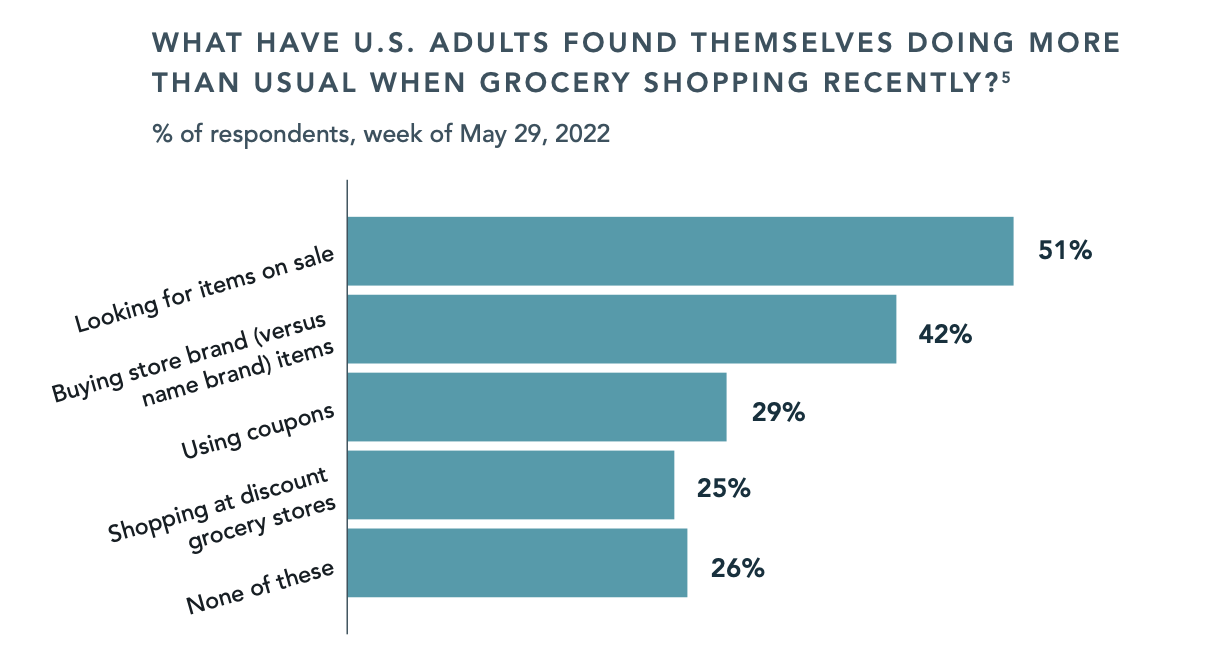
How does this translate to changing consumer behavior in the retail industry? Shoppers are putting more effort into looking for good deals. According to an eMarketer survey, 51 percent of U.S. adults found themselves looking for items on sale more than usual when grocery shopping, followed by purchasing store-brand items (42 percent) and using coupons (29 percent).
This swift change in shopping habits can be seen in more ways than one. Consumers are letting their feet do the talking as they spend less and less time in physical shops. This past summer, the average time shoppers spent in retail stores was 28 minutes in May, 26 minutes in June, and 24 minutes in July, reflecting a 14 percent decrease over a three-month period.
Prepare yourself — the new era of deal shoppers has arrived.
Here’s the Deal, Marketers …
An increasing number of shoppers are being much more frugal with their spending this year as they focus on getting more bang for their buck. Although a decrease in consumer spending can impact current and future marketing plans, a savvy marketer can capitalize on this new shopping behavior. So, how can you win over deal shoppers? Here are several tips that can help marketers reach this elusive target:
- “Deal shoppers” aren’t exclusively limited to shopping at discount brands; they buy everywhere. With so much competition for share of wallet, marketers need to increase engagement with key shopper segments that can help drive revenue. Location-based targeting technology allows marketers to target unique geographical boundaries based on the combination of visitation patterns and audience segments.
- Let your key performance indicators (KPIs) be your guide. It’s important for marketers to clearly define KPIs to avoid wasting marketing dollars on programs that have little to no return on investment. To reach audiences during the right phases of the purchasing journey, marketers need to make sure they match those KPIs with their strategy. For example, if you’re looking to expand your reach through multiple channels, think about blending CTV and other video assets to produce a measurable reach extension advantage with your campaign.
- Multiple locations with different inventory levels can be frustrating for shoppers. Thirty-five percent of shoppers are willing to substitute a similar brand or product for the out-of-stock items on their shopping lists. In-stock marketing technologies can help national and local retailers as well as CPG brands serve shoppers similar or alternative product options for items that may not be available at specific store locations or redirect shoppers to alternative stores with higher levels of product availability.
- Make every minute count. With less disposable income, shoppers are in and out of stores more quickly to avoid overspending. This makes reaching customers BEFORE they get to your store more important than ever. Using physical world behavioral insights, marketers can strategically engage with new and loyal customers before they shop using visitation pattern insights with relevant offers based on their brand preferences.
For marketers, understanding how customers modify their spending and shopping behaviors during economic instability is paramount to developing a targeted marketing strategy. As the market continues to fluctuate, keeping loyal customers engaged with tailored offerings provides them with options that fit their budget.