The Future of Retail Marketing and the Role of Omnichannel Platforms
Although much of our world has moved digital, one fact remains true: people are still shopping in-store. As of 2023, in-store sales accounted for 90 percent of CPG revenue. Whether you’re a sales or marketing leader, winning the in-store cart remains a priority.
This is a centuries-old challenge and several solutions have arisen over the years to solve it. In 1894, Asa Candler invented the paper manufacturer coupon to sell more Coca-Cola. Despite minimal evolution, promotions remain one of the top strategies to entice shoppers.
Did you know the post-purchase rebate is a relic of the railroad era? Yet rebate programs remain a prominent industry solution to drive velocities.
Beyond the above, strategies range from retail media to in-store tactics. Whether an instant redeemable coupon (IRC) or an end-cap display, each offers something unique and compelling.
Trade tactics drive buying decisions every day and there’s a reason they capture so much of the budget. However, with increasing opportunities to market online, a chasm is forming. Dollars are pouring into digital and the line of sight into retail impact is opaque at best.
The Rise of Digital is Changing Retail Marketing
In a digital-first world, online marketing programs are more important than ever. Digital teams are juggling owned channels, operated channels, and an ever-evolving media landscape. Right as one platform picks up speed, a new one arises. As a result, teams often run SMS, email, paid, influencer, and out-of-home strategies in tandem.
Here’s a snapshot of some of the responsibilities of a chief marketer of a growing consumer brand:
- Are we engaging our core audience?
- Are we maintaining presence on existing channels?
- Are we growing our audience on existing channels?
- Are we growing our owned audience via CRM building tactics?
- Are we preserving our brand identity and brand messaging?
- Are we evaluating the ever-evolving digital landscape to maintain relevance?
- Are we testing new channels to diversify our strategy?
- Are we supporting our retail partners?
- Are we supporting our web presence?
- Are we building community online?
These challenges aren’t new to digital marketers. But unlike direct-to-consumer (DTC), online retail marketing experiences a key pain point: conversion data is unclear.
Imagine you’re marketing a DTC brand. You choose to run a paid advertisement on Meta to drive traffic to your Shopify site. But rather than channel reporting, all you can access is a high-level report of sales data. To make matters worse, that sales data can take weeks or months to receive.
Sure, you can make some educated assumptions, but how would you distinguish if the sales came from the Meta ads? Absent real-time attribution, they could have come from an email promotion. Or they could have been from a TikTok post that went viral. The options are endless.
The retail marketing landscape is evolving at breakneck speed. When every channel becomes a retail marketing channel, existing strategies must be upgraded.
Navigating the Omnichannel Game
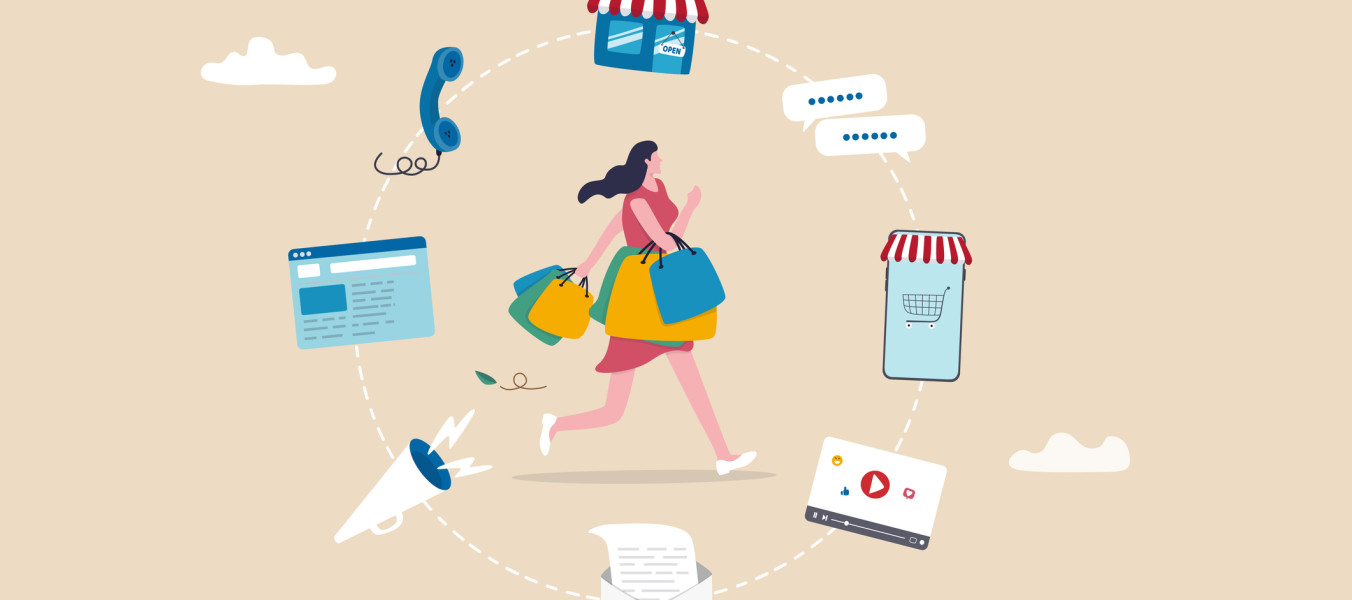
Brands must leverage a distributed strategy to succeed in a digital-first world. Consumers are everywhere and making shopping decisions from their smartphones. Although most sales occur in-store, the decision-making process begins much earlier.
Having a series of touchpoints is crucial. Here are three strategies to leverage omnichannel tactics to drive in-store sales:
- Include a clear call to action (CTA). If you’re looking to support a specific retail partner or SKU, make sure your media includes a clear CTA. Often short-form content omits this messaging. If your goal is to drive a specific shopper behavior, make sure your content is clear. Equipping a shopper with clear, actionable instruction drives results.
- Maximize consumer touchpoints. Once your messaging is clear and concise, repeat it across tactics. Leverage a cross-promotional strategy to engage diverse audiences. Repurpose winning content on underperforming channels to boost engagement.
- Measure channel performance. Open digital offer and rebate programs are emerging to support omnichannel attribution efforts. Are you looking to understand how your digital media is converting offline? Attach offers to your media to better understand conversion in-store.
Looking Forward
Retail marketing is moving fast and brands that are reluctant to evolve may get left behind. As the world continues to move online, digital efficiency will rise in importance. Sales and marketing leaders can stay ahead of the curve through experimentation.
Leverage different channels to see what moves the needle. However, make sure there’s a robust plan for measuring the performance of those channels. Otherwise, spending can go unchecked.
In-store promotions and traditional tactics aren’t going anywhere, but using emerging digital strategies to complement existing tactics can support business goals. The future of retail marketing is omnichannel. How will you take advantage of it?
Samantha Pantazopoulos is the co-founder and CEO of Vizer, the premier retail marketing intelligence platform helping consumer brands drive online shoppers in-store.