How This Female Founder is Working Toward Changing Consumerism in the Secondhand Baby Gear Industry
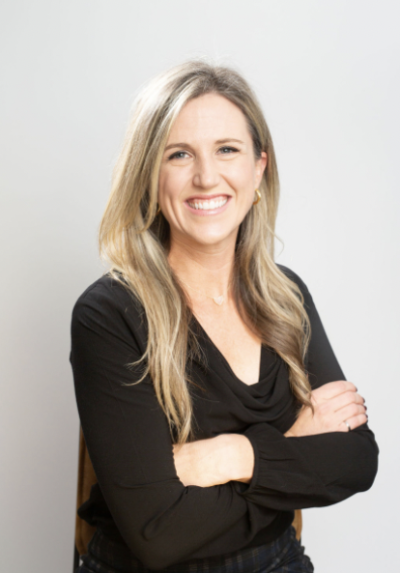
Kristin Langenfeld, CEO and founder of GoodBuy Gear, was facing a pain point parents are all too familiar with.
“I had my first child, and realized a tiny human needed a lot of stuff, and half of it she didn’t use, and then I needed more,” Langenfeld said in an exclusive interview with Women in Retail Leadership Circle (WIRLC).
During Women’s History Month, WIRLC is featuring the women in retail who are making history, one day at a time.
How GoodBuy Gear Got Started
It was 2016, and Langenfeld couldn’t figure out a solution that worked. She was tired of posting the baby gear she needed — or needed to get rid of — in moms groups on Facebook or on Facebook marketplace, spending time driving to other parents’ houses and haggling over the price.
Now a mother of two, Langenfeld launched GoodBuy Gear — “The Bluebook of baby gear” — that functions as a peer-to-peer, full-service marketplace. All parents have to do is request a pickup, and a GoodBuy Gear employee will come to your house, pick up your baby items, do a full quality check on the items, and resell them for you on their website.
While the pickups are currently in four metro areas — Denver, Washington D.C., New York, and Philadelphia — GoodBuy Gear ships across the country. The company has also partnered with Buy Buy Baby to accept gently-used baby and kid items.
A Changing Mission Toward Sustainability
What started as a mission to help busy parents solve the logistics of buying baby gear has since evolved into one focused on sustainability and circularity. This year, GoodBuy Gear set a goal of saving one million items of baby and kid gear from landfills by 2024.
“Our mission is ultimately to change consumerism,” Langenfeld said. “If it’s easy enough for families to participate in the secondhand economy, the circular economy, they’ll do it.”
In 2022, GoodBuy Gear completed home pickups for close to 65,000 baby and kids’ items. The items that don’t meet the company’s safety standards get sustainably disposed of, and items that don’t meet the quality checks get donated. GoodBuy Gear has donated over 58,400 items to local charities and organizations.
Car seats in particular are one of the highest baby items thrown away — GoodBuy Gear estimates that 12 million are tossed each year. They expire or wear out, new safety standards are published, and sometimes you don’t know for sure whether it’s been in an accident. GoodBuy Gear helped save 2,885 open-box car seats from landfills in 2022, according to a resale report the company published earlier this year.
“The change I’d love to see recommerce force the industry to do is that we move from things like fast fashion, or cheaply-made plastic toys; that we go back to building higher quality products. That’s where I think the shift needs to happen in order to make recommerce work in all industries,” Langenfield said.
GoodBuy Gear Founder’s Roots
Langenfeld, who lives in Colorado, began her career in electrical engineering and eventually began working for startups in product management. She looked to her entrepreneurial parents for inspiration — they owned an electrical contracting company for 35 years.
“I think it came down to having a problem I was passionate enough about wanting to solve,” Langenfeld said.
She started GoodBuy Gear when her daughter was 10 months old, and said her husband has been an equal partner in raising her children and carrying the mental load — something she thinks aught to happen for more women to be part of the workforce.
“If you want equality in the workplace, you have to have equality at home,” she said.
How She Leads
In building GoodBuy Gear’s team, Langenfeld has found that staying true to the company’s mission has been critical to attracting amazing talent. She’s also well aware of what she doesn’t know, and is hiring team members who fill those gaps.
“One of the things that is always important that I’ve tried to do is really bring in talent that knows how to do things better than you do,” she said.
She leads with the advice she was given when she was first starting out as an entrepreneur: “Do not hire emotionally-driven people.”
“I don’t beat around the bush, I’m very direct,” she said. That advice has led to the creation of a leadership team that gets along well and is on the same wavelength.