Optimizing Loyalty: The Strategic Shift Toward Compact Retail Store Formats
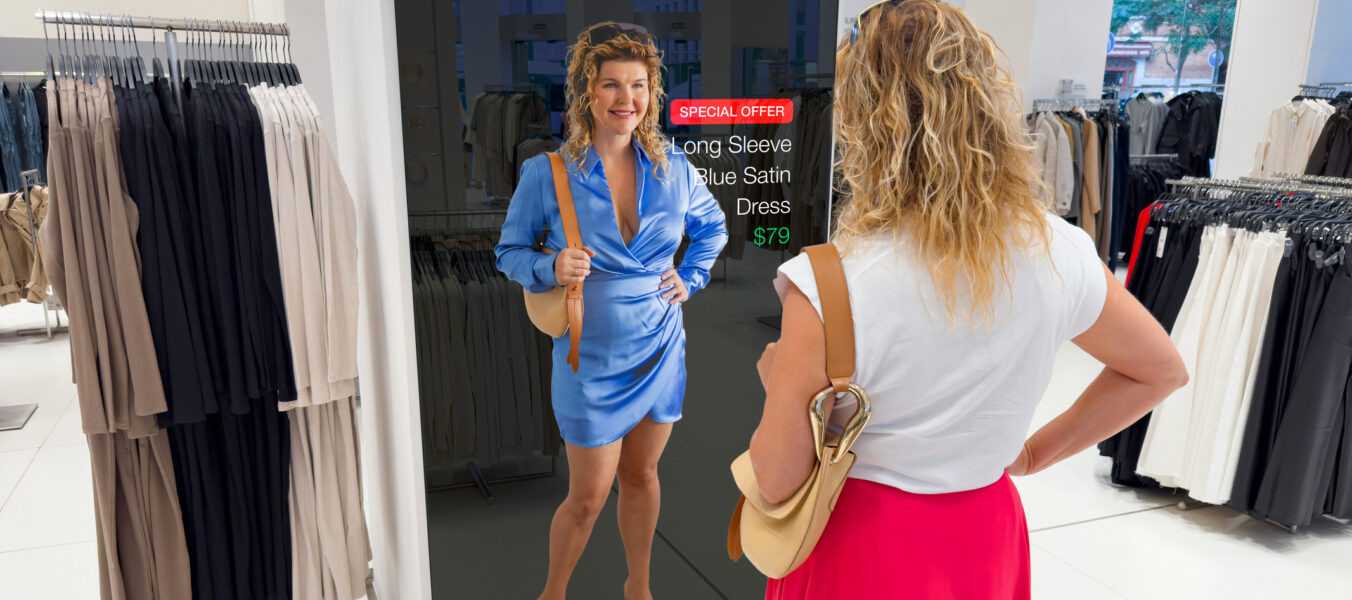
Imagine walking into a sleek, modern retail space where every item on display seems carefully curated just for you. The store associate greets you by name and knows your preferences from your online profile. As you browse, interactive displays and personalized recommendations enhance your shopping journey. This is the future of retail, where compact, data-driven store formats revolutionize the in-store experience.
The rise of e-commerce — currently accounting for 15 percent of all retail sales — and evolving consumer preferences are reshaping shopping experiences, with traditional department stores and big-box retailers taking note of more tailored, experiential retail environments. This shift has manifested in compact store formats prioritizing operational efficiency, localized merchandising, and deeper customer connections.
The average U.S. retail store size reached its smallest point in at least 17 years during 2023, with retailers signing leases averaging 3,200 square feet. The current trend reflects a growing distaste for emporiums in favor of more intimate, community-focused retail spaces. By downsizing physical footprints, retailers can enhance profitability while delivering personalized, engaging shopping experiences that drive customer loyalty.
Operational Advantages of Compact Stores
So, what motivates people to shop in-store? Over half (52 percent) of shoppers prefer to see a range of items on display; 39 percent desire instant gratification from taking a purchase home; and 35 percent seek social experiences. However, softening demand for large retail spaces suggests that in-store experiences must evolve to meet changing consumer preferences and expectations, such as reimagined store formats.
One key benefit that compact stores offer retailers is increased operational efficiency. Rather than filling sprawling department stores with an array of merchandise, retailers leverage data from online orders, social media, and foot traffic analytics to curate smaller, more targeted inventories tailored to the local population. By rightsizing their product assortments, retailers can minimize excess inventory, reduce overhead costs, and maximize the efficiency of their limited retail space.
Exceptional customer service is even more important in these intimate retail environments. With fewer customers to assist at any given time, store associates can provide:
- highly attentive, personalized assistance tailored to individual customer needs;
- prompt and accurate answers to customer questions;
- expert guidance throughout the shopping journey; and
- warm, attentive and memorable interactions that leave a lasting impression on customers.
Furthermore, compact stores enable retailers to optimize inventory management through sophisticated, data-driven analytics. By analyzing local market preferences, online purchasing patterns and real-time sales data, retailers can better decide product inventory, reducing the risk of over- or understocking.
By customizing their merchandise assortments to cater to each local market’s unique preferences, retailers can enhance their offerings’ relevance and increase the likelihood of converting browsers into buyers. The inherent cost savings associated with operating smaller physical footprints — including reduced rent, utilities and staffing expenses — can translate into improved profitability.
Enhancing the In-Store Experience
While operational efficiencies are crucial, the true power of compact retail lies in its ability to deliver immersive, highly personalized shopping experiences. By thoughtfully designing and curating these intimate spaces, retailers create engaging environments that emotionally resonate with their target audiences.
Central to this approach is tailoring the in-store journey to each customer’s unique preferences and needs. Leveraging data from online profiles and purchase histories, retailers can greet shoppers by name, make personalized product recommendations and showcase relevant merchandise aligning with their tastes and lifestyles. They can even curate music content with customized playlists based on shopper demographics and psychographics. This level of personalization strengthens the bond between the customer and the brand.
Moreover, compact stores enable retailers to cultivate a stronger connection to their local community. Retailers can deepen their relevance and resonance by incorporating locally sourced products, hosting community events and collaborating with neighborhood partners. Setting the right atmosphere and equipping the best-suited technology influence customer behavior.
By leveraging technology, retailers can seamlessly integrate local community engagement initiatives with their digital and in-store experiences, creating a cohesive omnichannel journey. Interactive displays, mobile apps and frictionless integration with e-commerce platforms allow customers to easily research products, access additional inventory and complete purchases across multiple touchpoints.
In addition to thoughtful design and personalized interactions, retailers can:
- Implement click-and-collect services to streamline in-store pickups.
- Offer in-store digital kiosks for browsing additional product options.
- Provide personalized recommendations based on online browsing history.
- Leverage customized QR codes for more loyalty connections and access to exclusive collections not available in-store.
- Host exclusive in-store events with online components like livestreaming.
- Offer seamless omnichannel return processes.
Macy’s effectively adopts compact store formats through initiatives like revitalizing merchandise assortments and enhancing omnichannel experiences. It creates immersive, personalized shopping journeys that transform its retail footprint to match evolving consumer preferences.
Through intentional design, community engagement and strategic technology adoption, compact stores can transcend mere transactional spaces, captivating customers and fostering enduring loyalty. Retailers successfully navigating this shift will establish a competitive advantage in an increasingly crowded marketplace.
Jaime Bettencourt is the senior vice president of global account management and marketing at Mood Media.