Retailers Missing Out on Plus-Size Revenues
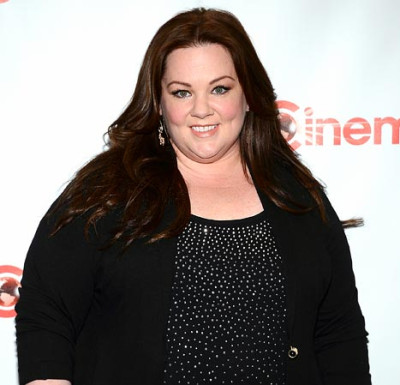
The market for plus-size women was valued at $9 billion in 2014, according to IBIS World. The average American woman is a size 14. Yet despite this, plus size (typically between sizes 14 and 34) is a market that’s largely being ignored by retailers. Actress Melissa McCarthy is trying to change that.
The movie star, mother, comedian and now fashion designer — McCarthy’s clothing line, Melissa McCarthy7, is launching at multiple major retailers — is spearheading an initiative to make shopping for plus-size apparel a more enjoyable experience for consumers. Her first target: the label “plus size” and how it makes people feel when the category is segregated in stores.
“Women come in all sizes,” McCarthy told Refinery29. “Seventy percent of women in the United States are a size 14 or above, and that’s technically ‘plus-size,’ so you’re taking your biggest category of people and telling them, ‘You’re not really worthy.’ I find that very strange. I think if you’re going to make women’s clothing, make women’s clothing. Designers that put everyone in categories are overcomplicating something that should be easy.”
McCarthy’s clothing line runs from size four through 28, and includes basics, leggings, tees and loungewear. She hopes her work with major retailers will change the industry perception when it comes to plus-size offerings.
Opportunity at Hand
Apparel retailer ModCloth conducted a survey last year with Paradigm Sample to better understand plus-size shoppers. Here’s some of what they found:
- 92 percent of respondents agreed with the statement “I get upset when I can’t find cute clothes in my size”;
- 65 percent agreed with the statement “the retail industry ignores the needs of plus-size women”;
- just 28 percent of respondents agreed with the statement “plus-size women are included in the fashion community”; and
- more than half of the women surveyed called plus-size offerings “frumpy” and “shapeless.”
Despite these negative feelings, plus-size women represent a valuable demographic. Eighty-one percent of respondents to ModCloth’s survey said they would spend more if there were more options in their size, and 88 percent said they would buy more clothes if there were trendier options in-store. In fact, plus-size women actually spend more on apparel than their “straight size” counterparts. ModCloth’s survey revealed that 21 percent of plus-size women spend at minimum $150 a month on clothes and accessories, compared to only 15 percent of women in standard sizes who do the same.
The question that begs to be answered then is why are retailers avoiding this potentially lucrative market.
What are your thoughts on this issue? Let us know by posting a comment below.