Transforming Wellness Into a Performance Strategy
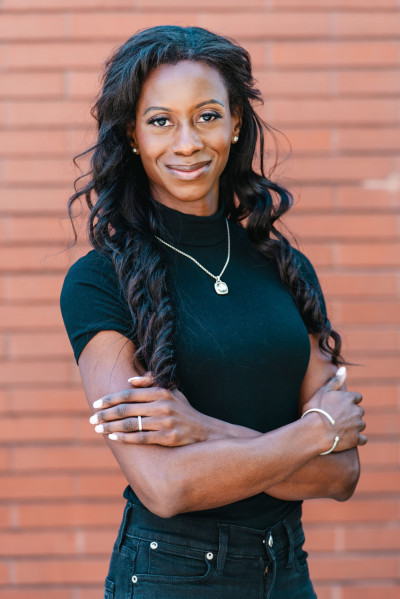
We are thrilled to feature Dilan Gomih, a global speaker and human performance expert, at this year’s Women in Retail Leadership Summit. Gomih will be presenting a session titled, Wellness Wisdom: Insights From TED-Style Talks.
Gomih’s session will be one of three dynamic 15-minute TED Talks-style presentations by leading health and wellness experts. Each speaker will explore innovative strategies and inspiring approaches to promote personal and community well-being. From cutting-edge mental health practices to holistic wellness frameworks, attendees will gain fresh perspectives and actionable insights to enhance their well-being and cultivate healthier communities.
Gomih is the founder of Dilagence, a company dedicated to helping workforces harness the power of well-being as a performance strategy. Through strategic programming, actionable content, and workplace solutions, Dilagence empowers professionals to take control of their time and optimize their productivity.
Before discovering her passion for human performance, Gomih spent several years in foreign exchange and senior relationship management positions at Bank of America Merrill Lynch. Having navigated the demands of a high-paced corporate lifestyle, she understands the challenges professionals face and tailors her strategies to fit the realities of today’s workplace.
In addition to her corporate experience, Gomih has driven strategic initiatives at world-class fitness brands such as Barry’s and CrossFit, further solidifying her expertise in holistic performance and well-being.
Here is a Q&A with Gomih to give you a deeper understanding of her approach, her philosophy on wellness, and how she empowers individuals and organizations to thrive.
Inner Circle: What inspired you to pivot from a traditional corporate career to focus on mental wellness and movement?
Dilan Gomih: For me, the pivot wasn’t just about leaving a finance career — it was about stepping into a purpose-driven life. In the midst of climbing the corporate ladder, a Flywheel class opened my eyes to the profound connection between movement, mental performance and, frankly, happiness. We think of movement or mindfulness as “taking time” when, in reality, prioritizing my well-being ultimately made me more effective at my job and added to my capacity. Yet I regularly saw countless professionals around me making a tradeoff between their health and high performance, and it struck me: We don’t have to choose between success and well-being — they go hand in hand.
I founded Dilagence because I recognized the need for a new narrative — one that prioritizes mental well-being and movement as essential tools for sustainable performance. My path on Wall Street was transformative in so many ways, but it actually led me to my purpose of building a world in which every human can harness their health to live a longer, more productive life.
IC: Can you elaborate on the connection between movement and mental wellness?
DG: Movement is the ultimate reset button. Science shows that physical activity reduces stress, improves mood, sharpens focus, and even sparks creativity. Arguably, if you are a leader in the workplace, you have a business justification for movement. As we make important decisions, lead our teams, or manage any other responsibility, we need our brains to be operating at their best. Movement is a simple tool (even in short amounts of time) to perform better during the day.
But it goes deeper — movement empowers us. When we move with intention, we create momentum, not just in our bodies but in our minds. It’s a way to reconnect with ourselves amid chaos. Whether it’s a walk, a stretch, or dancing to your favorite song, movement isn’t just an activity; it’s a performance strategy and a form of self-care and resilience.
IC: How do you integrate movement into busy workdays in a practical way?
DG: It starts with small, intentional choices and harnessing any amount of time (rather than doing nothing at all). Movement doesn’t have to mean hitting the gym — it can be a two-minute stretch, a walk between meetings (take a teammate!), getting off the elevator one floor earlier to take the stairs, or even parking farther away to add a little extra walking time. The key is finding opportunities within your existing routine and reframing them as part of your performance rather than another task on the to-do list. For me, it’s remembering that if I want the next activity to go well, a little movement or mindfulness sets me up for a better outcome. There’s power in incremental steps.
IC: At Dilagence, how do you work with organizations to identify and address daily stressors?
DG: We start with empathy and data by truly listening. Every organization faces unique challenges, and the only way to design impactful solutions is to understand employees’ lived experiences. We use surveys, focus groups, and in-depth assessments to uncover what’s really happening on the ground. Then we design culturally aligned, human-centered solutions. It’s about meeting people where they are and providing tools that fit into their lives.
IC: Can you share an example of a customized strategy that had a significant impact?
DG: For one client, we started by helping the executive team prioritize their own well-being by embedding simple, sustainable practices into their daily routines. This gave them the energy and clarity to lead effectively and authentically. From there, we introduced actionable strategies to seamlessly weave well-being into team dynamics — whether in meetings, one-on-ones, or daily interactions. The goal was to make it feel natural, not forced or disruptive. What made this approach so effective was its simplicity and ripple effect. This integration signaled that well-being wasn’t just a “nice-to-have” but a core component of individual and team success. By starting with leaders, we helped set the tone for a culture where well-being became a shared priority.
IC: How do you measure the success of wellness programs?
DG: We measure impact in two ways: numbers and narratives. Metrics like engagement and utilization are crucial, but so are the stories. When employees tell us they feel more energized, less stressed, and more connected to their work, we know we’re making a difference. Well-being isn’t just about outputs; it’s about outcomes that transform how people show up every day.
IC: What steps can leaders take to make wellness programs more accessible?
DG: Start small and model the behavior. The most impactful thing a manager can do to promote well-being and build a healthier workplace culture is to lead by example. Employees often worry about how they’ll be perceived, which can make them hesitant to take PTO or use fitness and mental health benefits. A senior leader once told me he didn’t feel comfortable using the office gym until he saw his boss working out there. The solution? Normalize wellness by showing, not just telling. Take the PTO. Use the benefits. And make sure your team knows you’re doing it. When leaders prioritize their well-being, it sets the tone for everyone to thrive.
Also, take employees along the journey. It can begin with encouraging regular breaks, hosting walking meetings, or simply opening up the team meeting by asking people, “How are you feeling?” and taking stock of morale.
IC: How can organizations help employees see wellness programs as integral, not an extra burden?
DG: It’s all about integration. Well-being should feel like a natural part of the workday, not an extra task. This means embedding wellness into the business. If you’re working in the office, get up and go talk to someone instead of sending an internal chat. If you’re working from home, find one meeting that can be a walking call. When well-being becomes part of the workday, it stops feeling like an “add-on” and starts being seen as essential for thriving at work.
Consulting with a seasoned expert to develop educational programs that emphasize seamless and accessible strategies for managing well-being can go a long way. There are so many practical, everyday actions (e.g., movement, mindfulness, and prioritizing overall health) that can boost both immediate productivity and long-term well-being. Something as simple as a brisk walk can significantly lower the risk of cardiovascular disease.
What makes these programs so powerful is their accessibility. Small, achievable shifts — like getting a little more sleep, taking short movement breaks, or practicing quick stress-relief techniques — don’t require fancy equipment or costly memberships. These are changes anyone can make, no matter their role or schedule, and they make a real difference.
IC: What trends do you foresee in corporate wellness over the next five years?
DG: I see a shift toward personalization and inclusivity. Companies will move beyond one-size-fits-all solutions to programs tailored to the diverse needs of employees, whether they’re parents, caregivers to aging parents, or dealing with other life challenges. Technology will play a big role, but so will community and connection. I also think we’ll see more emphasis on preventive care — helping people build resilience before they reach the breaking point of burnout.
IC: If you could change one thing about how organizations approach mental health and wellness, what would it be?
DG: When companies put well-being at the center of their strategy, performance follows, creating a win-win. At the core of every organization are the humans within it. When we help people at the human level to achieve their best, it translates to how they do their work.
Don’t miss the opportunity to learn from Gomih and other incredible speakers at the Women in Retail Leadership Summit. Register here to secure your spot and take advantage of the actionable insights that will transform how you approach wellness in both your personal and professional lives.