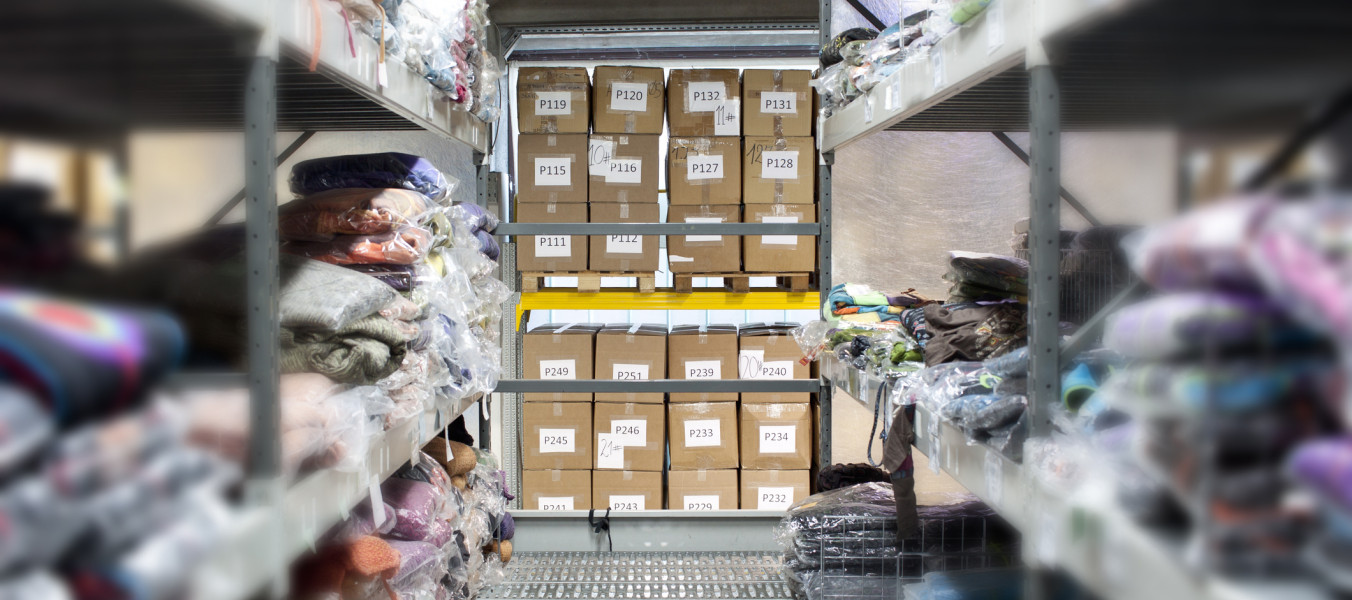
Turning Excess Inventory From a Financial Burden Into a Force
In retail, excess inventory is often seen as a liability — something to offload, liquidate, or quietly discard. However, I believe it’s actually one of the most underutilized strategic assets in retail today. When paired with the right technology and intent, excess inventory can become a powerful driver of financial savings, sustainability progress, and community impact.
I started LiquiDonate after seeing how broken the system was. Perfectly good products — returns, clearance items, display models, samples — were ending up in landfills or gathering dust in warehouses, while nonprofits struggled to find essential supplies. The issue wasn’t a lack of goodwill; it was a lack of infrastructure.
Rethinking the Value of ‘Unsellables’
Most retailers handle unsellable inventory via liquidation or disposal. However, liquidation often recovers just a fraction of the original value, and disposal adds costs and environmental risk. What if, instead, those same items could be matched directly to nonprofits that need them?
That’s exactly what we do at LiquiDonate. Our platform uses a proprietary system called Magic Match to automatically pair excess and returned items to pre-vetted nonprofits, based on item type, location, and need. Whether inventory is returned to a store, warehouse or customer doorstep, Magic Match routes it for donation with near-zero lift from internal teams.
Take Built Different, a fashion brand known for high-volume e-commerce. Its team faced rising costs and waste from international returns. By integrating LiquiDonate, Built Different rerouted over 13,000 unsellable items to youth programs across the U.S., cutting an average of 1,302 miles per shipment and reducing return-related shipping costs by 26 percent.
That’s what it looks like to turn waste into value.
Financial Incentives Are Real
Donation isn’t just good PR — it can deliver real bottom-line benefits. U.S. tax code allows eligible C corporations to claim enhanced deductions for qualified inventory donations. We help retailers navigate those rules, track documentation, and ensure compliance.
Room & Board, for example, integrated donation into its clearance and returns operations through LiquiDonate. In the past year alone, the furniture brand has donated hundreds of thousands of dollars in excess inventory while reinforcing its commitment to zero-waste goals. Room & Board even shared the story publicly in its sustainability reporting, aligning with what today’s conscious consumers expect.
Your Customers Are Watching
It’s no longer enough to just move products efficiently — retailers are expected to move them responsibly. Gen Z, in particular, is watching what brands do with their supply chain waste. According to First Insight, over 70 percent of Gen Z shoppers say sustainability influences their buying decisions.
When retailers can tell customers, “Your return was donated to a local nonprofit,” that builds trust and loyalty in a way ad campaigns can’t.
Operational Simplicity Wins
We built Magic Match to work within existing retail operations, not around them. Our integrations with Shopify, Loop Returns, ReturnGO, and others mean that retailers can automate donation decisions at the point of return, whether in-store or online. This isn’t just about CSR; it’s about operational efficiency.
One global candle brand, for example, used Magic Match to divert bulky, unsellable returns from its warehouse pipeline. Instead of shipping them back across the country, the items were rerouted to local nonprofit partners. The candle brand cut shipping distances by over 83 percent, reduced return costs, and freed up valuable warehouse space.
The Bigger Opportunity
More and more, excess inventory is becoming a litmus test for how sustainable — and strategic — a retailer truly is. Donation offers a rare triple win: cost reduction, community impact, and consumer trust.
With LiquiDonate, we’re building a new default. One where donation is not a last resort, but a first choice. One where excess inventory isn’t just managed, it’s mobilized for good.
The next time your team flags a return, an overstock, or a warehouse full of discontinued SKUs, ask not how to get rid of it, but how to unlock its value.
Disney Petit is a social impact entrepreneur and CEO of LiquiDonate, a software that integrates with any WMS or RMS to match unsellable returns and overstock inventory with nonprofits and schools.